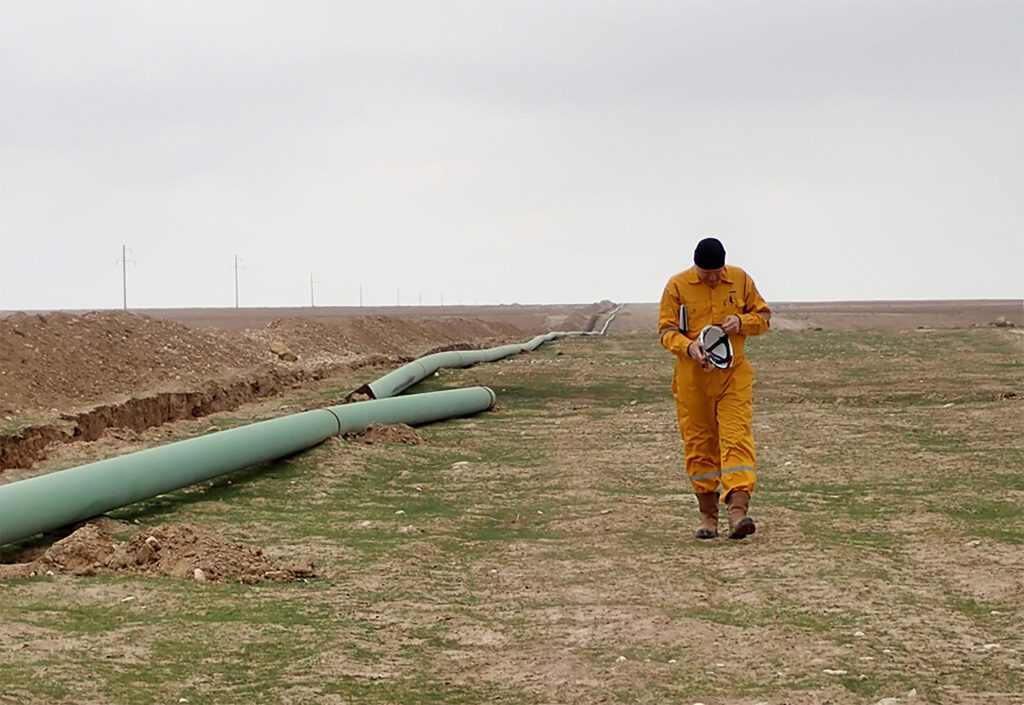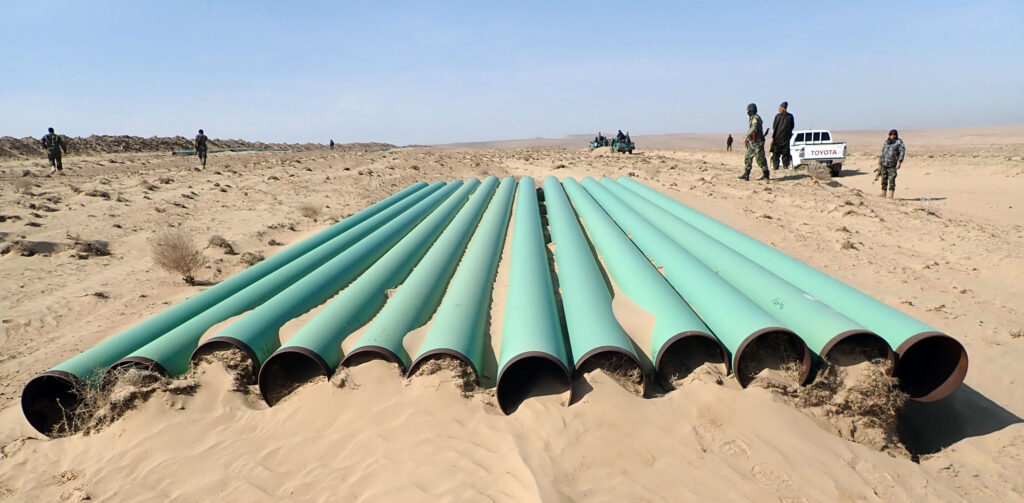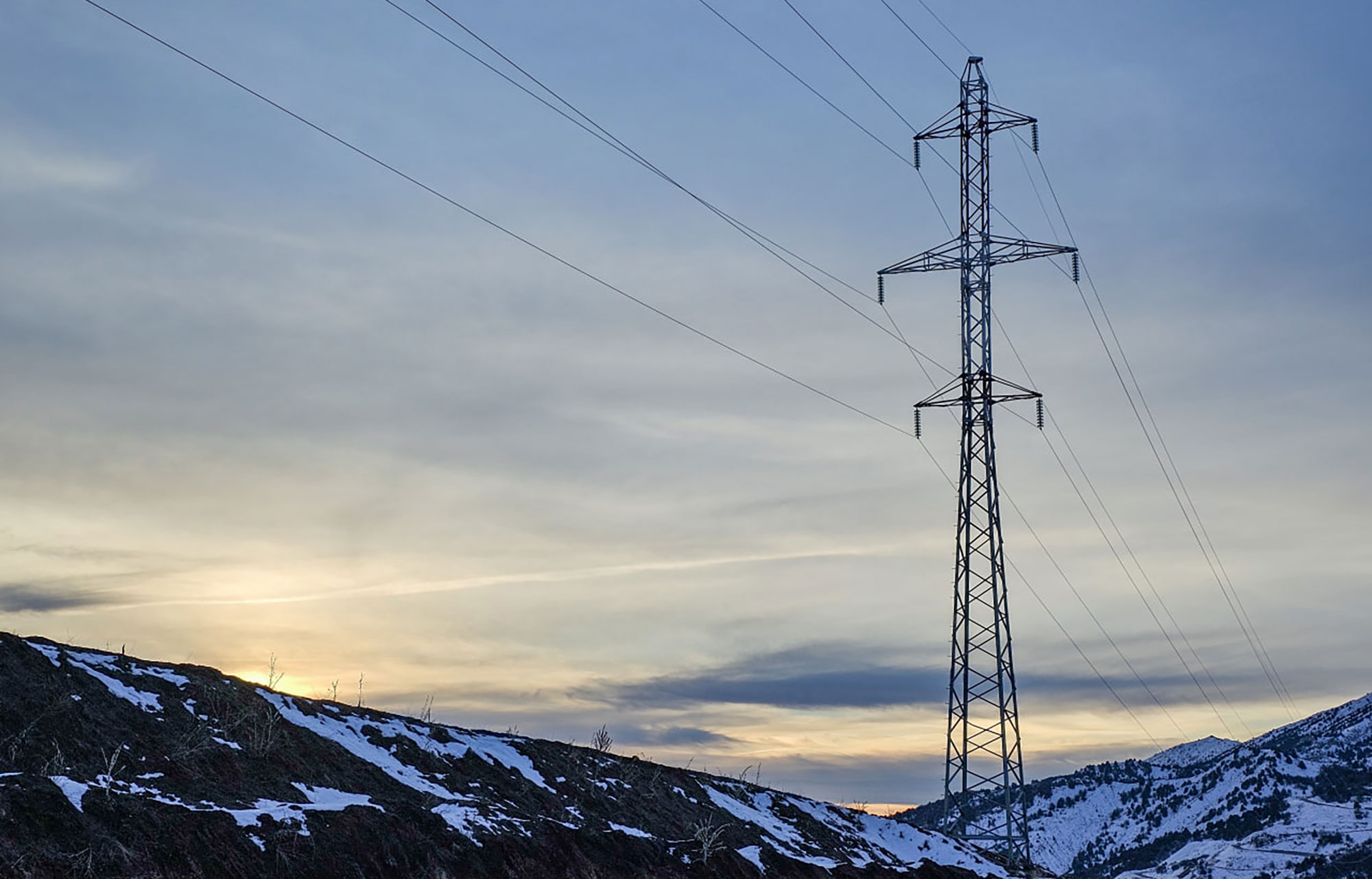
The Central Asia – South Asia power project, commonly known as CASA-1000, is a $1.2 billion initiative designed to export surplus hydroelectricity from Kyrgyzstan and Tajikistan to Afghanistan and Pakistan.
The corruption Unicon faced in Afghanistan began the day after it expressed interest in the CASA-1000 tender in April 2013. Within hours of receiving Unicon’s application, a Ministry of Energy official sent an email offering to “lobby.” The ministry then went further, explicitly offering to manipulate the technical evaluation scores in Unicon’s favour – “if you agree let’s deal.” When Unicon ignored those messages, an ultimatum followed: submit a financial proposal inflated by $300,000 as a bribe, or lose the contract to another firm. All of this is documented. Unicon’s response, also in writing, was unequivocal: “We are not interested in lobbying. We are going into this project in good faith, regardless of whether we win it or not.” That sentence set the terms for everything that followed.
Unicon won the contract anyway, likely because U.S. Government involvement in the procurement made outright disqualification too risky for the officials involved. But the extortion did not stop. It escalated. Audio recordings captured the Ministry’s Director and his associate explicitly threatening that, unless Unicon paid bribes, its invoices would never be paid and the firm would face consequences. When the evidence of extortion, including the audio, was presented to the Deputy Minister, he personally apologised for his staff and promised to protect Unicon from further abuse. Those assurances lasted only as long as he remained in office. Once he left the Ministry, the officials making the threats were left in control, and they carried them out.
What followed was a years-long financial siege. Contract extensions were delayed, signed documents disappeared, invoices went unpaid, and Unicon was repeatedly pressured to provide free services as a condition of being paid for work already completed – a pattern aptly described as making the company an “economic hostage.” Throughout this period, the World Bank was not a passive observer. It intervened on multiple occasions to force the Ministry to sign extensions and release payments, and it was copied on communications in which the Deputy Minister acknowledged Unicon’s critical role and pleaded for its continued engagement. The Bank was therefore fully aware, in real time, both of Unicon’s importance to the project and of the hardship it was facing.
By the time the Ministry finally made partial payments in August 2016, three years after the contract began, it paid only for services rendered up to February 2015, deliberately withholding everything after that date. That cut-off corresponded precisely to the period in which the bribe demands had intensified and Unicon had most firmly refused to comply. The retaliation was not accidental. The officials had threatened it in audio-recorded conversations, and they ultimately carried it out. When Unicon brought the dispute to the ICC International Court of Arbitration, the Tribunal ruled entirely in its favour, confirmed that Afghan officials had subjected Unicon to extortion and other wrongful acts, and ordered full payment for the services rendered.
The most striking part of this story is what happened next. Although the World Bank was not a signatory to the CASA-1000 contractor agreements – acting only as a financier – it nevertheless stepped in and paid the other contractors directly, honouring the previous Afghan government’s obligations. It stated expressly that it would make payments “directly to the offshore accounts of international contractors and consultants.” Yet Unicon – the only contractor on the documented record to have resisted corruption while continuing to perform well – was the sole firm excluded from that policy.
The funds allocated for Unicon’s services under a World Bank grant remained with the Bank. To punish Unicon for refusing to pay bribes, Afghan officials withheld payment of Unicon’s invoices under that grant. Despite the Tribunal’s order, and despite Unicon’s documented anti-corruption stance, the World Bank retained the funds due to Unicon, even though it paid every other contractor under Afghan government contracts financed by the World Bank. See Progress Made on Pre-August 2021 Contractor Liabilities for World Bank-Financed Projects in Afghanistan.
The Bank has simply retained money it knew was rightfully Unicon’s. This is not merely about payment for services performed in good faith, with work product used by the Bank; it is also about the hardship Unicon endured because it refused to yield to corrupt demands. By continuing the policy of those officials and withholding payment for services already rendered, the World Bank has not merely failed to correct a historical injustice; it has chosen, with full knowledge of the facts, to perpetuate it.
This Report shows how Unicon was extorted for bribes, how it refused to participate in corruption, how it continued to perform in a toxic environment, and how the World Bank ultimately became the final beneficiary of the extortion scheme devised by Afghan officials.
_____________________
Documents:
- Detailed Report – CASA-1000: The World Bank’s Complicity in Corruption, Extortion, and Retaliation
- Tribunal’s Decision – ICC Case No. UNC 211/ELU (Unicon v. Afghanistan)
- District of Columbia Court – Case No. 1:25-cv-04083
- Letter to World Bank President – 16 December 2024
- World Bank Benefiting from Corruption – including Exhibits 1 to 26
Media:
- Publication in Jus Mundi
_____________________
For further information, contact Rustam Davletkhan